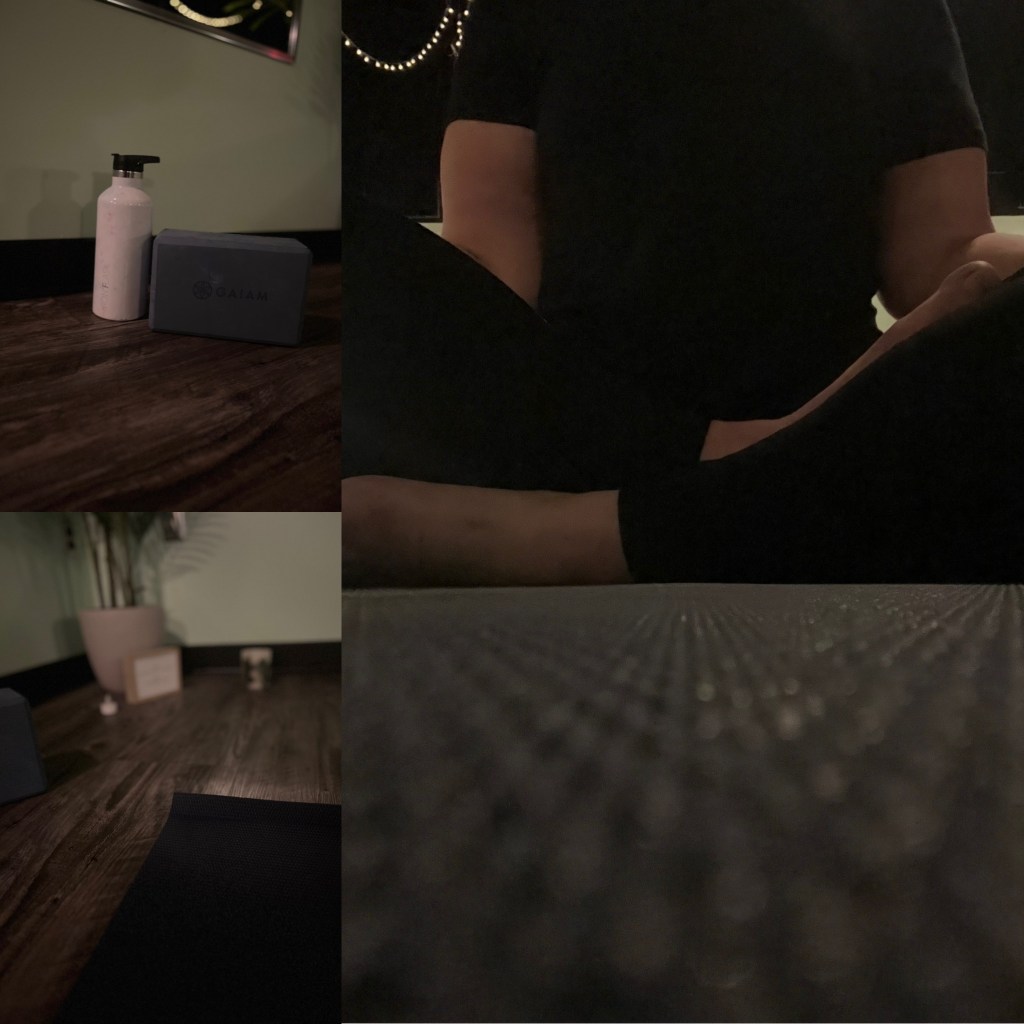
For a long time, I believed wellness had to feel intense in order to matter.
I thought becoming a “better version” of myself meant constantly pushing harder, fixing more, improving faster, and staying disciplined no matter how exhausted I felt. Every routine I tried to build came with pressure attached to it. Wake up earlier. Be more productive. Stick to the plan perfectly. Stay motivated. Don’t fall behind.
And for a while, I genuinely believed that being hard on myself was the reason I kept going.
But eventually I started noticing something:
The more aggressively I tried to “improve” myself, the more disconnected from myself I actually became.
Everything started feeling like pressure.
Movement became punishment.
Rest felt lazy.
Missing one day felt like failure.
Wellness stopped feeling supportive and started feeling like another impossible standard I couldn’t fully live up to.
I think many people, especially women, are carrying this quiet belief that healing and growth only count if they are difficult enough. That softness won’t get us anywhere. That consistency has to look rigid. That slowing down means we’re failing somehow.
But honestly, some of the biggest changes in my life did not come from forcing myself into extreme routines.

They came from gentleness.
From creating routines that actually supported me instead of controlling me.
From asking myself what I needed instead of constantly demanding more from myself.
From learning that consistency built through compassion lasts much longer than consistency built through shame.
I used to think wellness meant completely transforming my life overnight.
Now I think wellness often looks much quieter than that.
It looks like drinking water before coffee because your body deserves care.
It looks like stretching for ten minutes because your nervous system feels overwhelmed.
It looks like going outside for fresh air instead of punishing yourself for not doing enough.
It looks like creating rhythms that feel grounding rather than restrictive.
The truth is, many of us are already exhausted before we even begin trying to “improve” ourselves. We are burned out, overstimulated, emotionally overwhelmed, and carrying years of pressure to constantly perform, achieve, and keep going no matter how depleted we feel.
And yet so much of wellness culture still tells us the answer is to push harder.

More discipline.
More optimization.
More productivity.
More self-improvement.
But healing doesn’t always happen through force.
Sometimes healing happens when we stop approaching ourselves like projects that constantly need fixing.
Sometimes it begins when we create space for softness, flexibility, rest, and realistic expectations.
That doesn’t mean growth stops mattering.
It doesn’t mean giving up on goals or routines or becoming the person you want to be.
It simply means learning that growth built on self-respect feels very different than growth built on self-punishment.
The routines that have changed me most were never the extreme ones I could only maintain for a few weeks before burning out. They were the small, gentle habits that slowly rebuilt trust with myself over time.
The ones that made me feel supported instead of controlled.
And maybe that’s what sustainable wellness actually is:
not constantly trying to become someone else but learning how to care for yourself consistently as the person you already are.
 The Wildly Rooted Women
Leave a comment