
Rooted Reflection
A river doesn’t apologize for changing its course when the landscape shifts. It simply follows the path that allows it to keep flowing. In many ways, we’re invited to do the same. There comes a time when constantly bending ourselves around everyone else’s needs no longer feels like kindness. It feels like forgetting who we are.
Somewhere Along the Way, You Learned That Being Needed Meant Being Loved
Most people don’t wake up one morning and decide to become people pleasers.
It happens slowly.
A child notices that keeping the peace prevents conflict.
A teenager discovers that being agreeable earns acceptance.
A young adult learns that saying “yes” avoids disappointing others.
Over time, these moments become patterns, and those patterns become part of our identity.
Without realizing it, we begin measuring our worth by how helpful we are, how available we are, or how comfortable we can make everyone else feel.
On the outside, it can look like kindness.
On the inside, it often feels like exhaustion.
The truth is, there is a difference between being compassionate and believing you are responsible for everyone else’s happiness.
One comes from love.
The other comes from fear.
When Pleasing Others Becomes a Way of Protecting Yourself
For many people, people-pleasing isn’t simply a personality trait.
It’s a survival strategy.
If you’ve grown up in an environment where conflict felt unsafe, criticism felt personal, or love felt conditional, you may have learned to carefully read the emotions of everyone around you.
You became skilled at anticipating needs.
Avoiding disagreements.
Keeping the peace.
Making yourself easy to love.
These patterns often continue long after the circumstances that created them have changed.
Your nervous system is still trying to keep you safe, even if the danger is no longer there.
Recognizing this doesn’t mean making excuses for your behavior.
It means meeting yourself with compassion.
You weren’t weak.
You adapted.
And if you learned these patterns, you can gently learn new ones too.


The Cost of Always Saying “Yes”
There comes a point when constantly putting everyone else first begins to cost you something.
Maybe it’s your energy.
Maybe it’s your peace.
Maybe it’s your health.
Or maybe it’s something even more important.
Your sense of self.
When you’re always asking what everyone else needs, it’s easy to lose touch with your own desires.
You become so practiced at meeting other people’s expectations that, when someone asks, “What do you want?” you don’t know how to answer.
Not because you don’t have dreams or preferences.
But because you’ve spent so long setting them aside.
Coming home to yourself means becoming curious again.
Not only about who others need you to be.
But about who you are when no one else is asking anything of you.
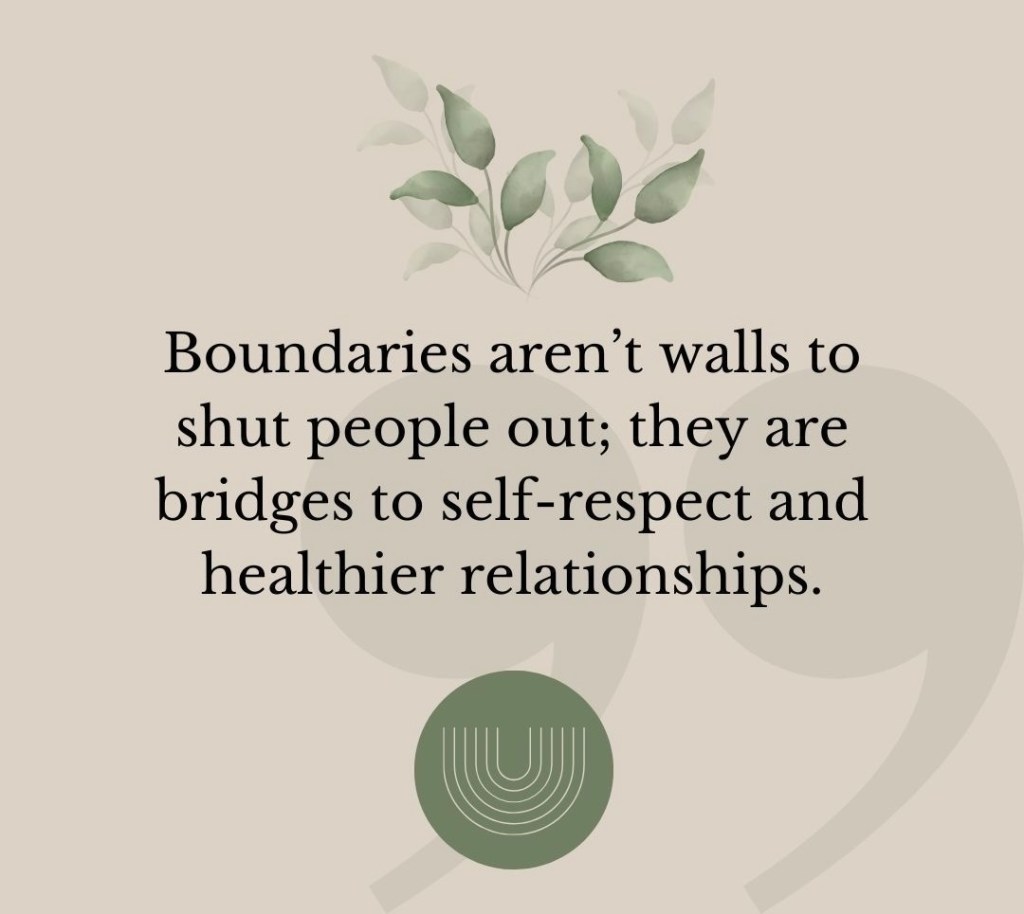
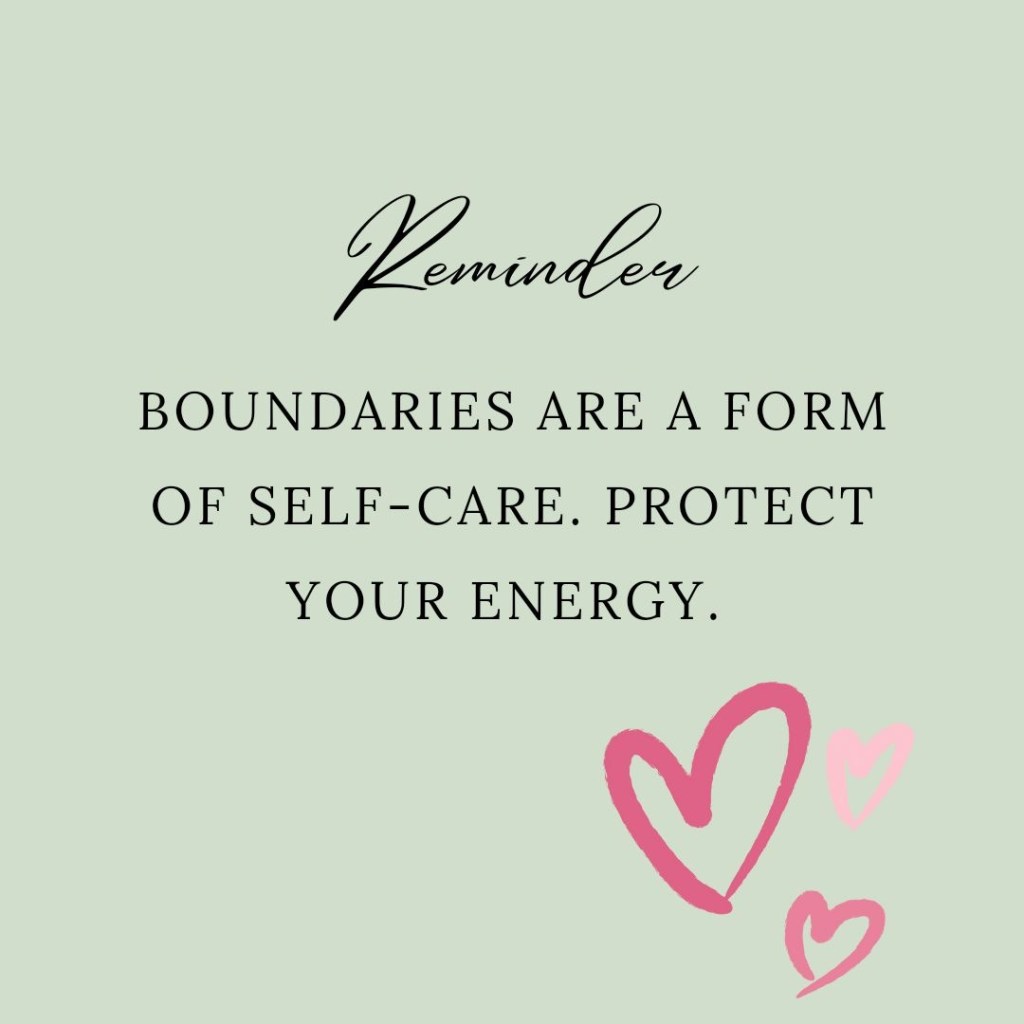
Boundaries Are Not Walls
For a long time, I thought boundaries meant pushing people away.
In reality, healthy boundaries create relationships where everyone can show up more honestly.
A boundary isn’t saying, “I don’t care about you.”
It’s saying, “I care about both of us enough to be honest.”
Sometimes that honesty sounds like:
“I won’t be able to make it this time.”
“I need some time to think before I answer.”
“That doesn’t work for me.”
“I’m not able to take that on right now.”
Notice that none of these responses require an elaborate explanation.
You don’t have to earn the right to honor your limits.
The people who truly care about you may need time to adjust to the new version of you.
That’s okay.
You’re learning too.
Every time you honor a healthy boundary, you’re sending yourself a powerful message:
My needs matter too.
Choosing Authenticity Over Approval
There will always be moments when you’re tempted to return to old patterns.
To say yes when you mean no.
To apologize for taking up space.
To carry responsibilities that aren’t yours.
When those moments come, pause and ask yourself:
Am I acting from love, or am I acting from fear of disappointing someone?
The answer isn’t always easy.
But with practice, it becomes clearer.
Little by little, you’ll begin making choices that reflect your values instead of your fears.
You’ll discover that authenticity may not earn everyone’s approval.
But it will earn something even more meaningful.
Your own trust.
And that is where lasting peace begins.
Before You Go
Gentle Reflection
People-pleasing doesn’t make you weak.
It often tells the story of someone who learned to survive by becoming everything everyone else needed.
But survival is not the same as living.
You are allowed to care deeply about others without abandoning yourself in the process.
The goal isn’t to become less kind.
It’s to include yourself in the kindness you’ve been so freely giving away.
Journal Prompt
Spend a few quiet moments reflecting on these questions:
Where in my life am I saying “yes” when my heart is asking for “no”?
What am I afraid might happen if I chose honesty instead of approval?
Approach your answers with compassion. There is no judgment here, only curiosity.
Gentle Practice
This week, practice creating one small pause before responding to requests.
Instead of answering immediately, try saying:
“Let me think about that and get back to you.”
Use that pause to check in with yourself before automatically saying yes.
Notice how it feels to give yourself permission to choose intentionally instead of responding out of habit.
An Invitation
Next time, we’ll close this journey with Letting Go Without Losing Yourself.
We’ll explore one final truth about healing:
Sometimes the things we release aren’t taking us further from ourselves.
They’re clearing the path back to who we’ve been all along.
If this reflection resonated with you, I’d love to hear from you. What boundary are you learning to honor in this season of life? Share your thoughts in the comments or spend a few quiet moments reflecting in your journal. Every small act of honesty with yourself is another step toward coming home.
 The Wildly Rooted Women
Leave a comment