Rooted Reflection
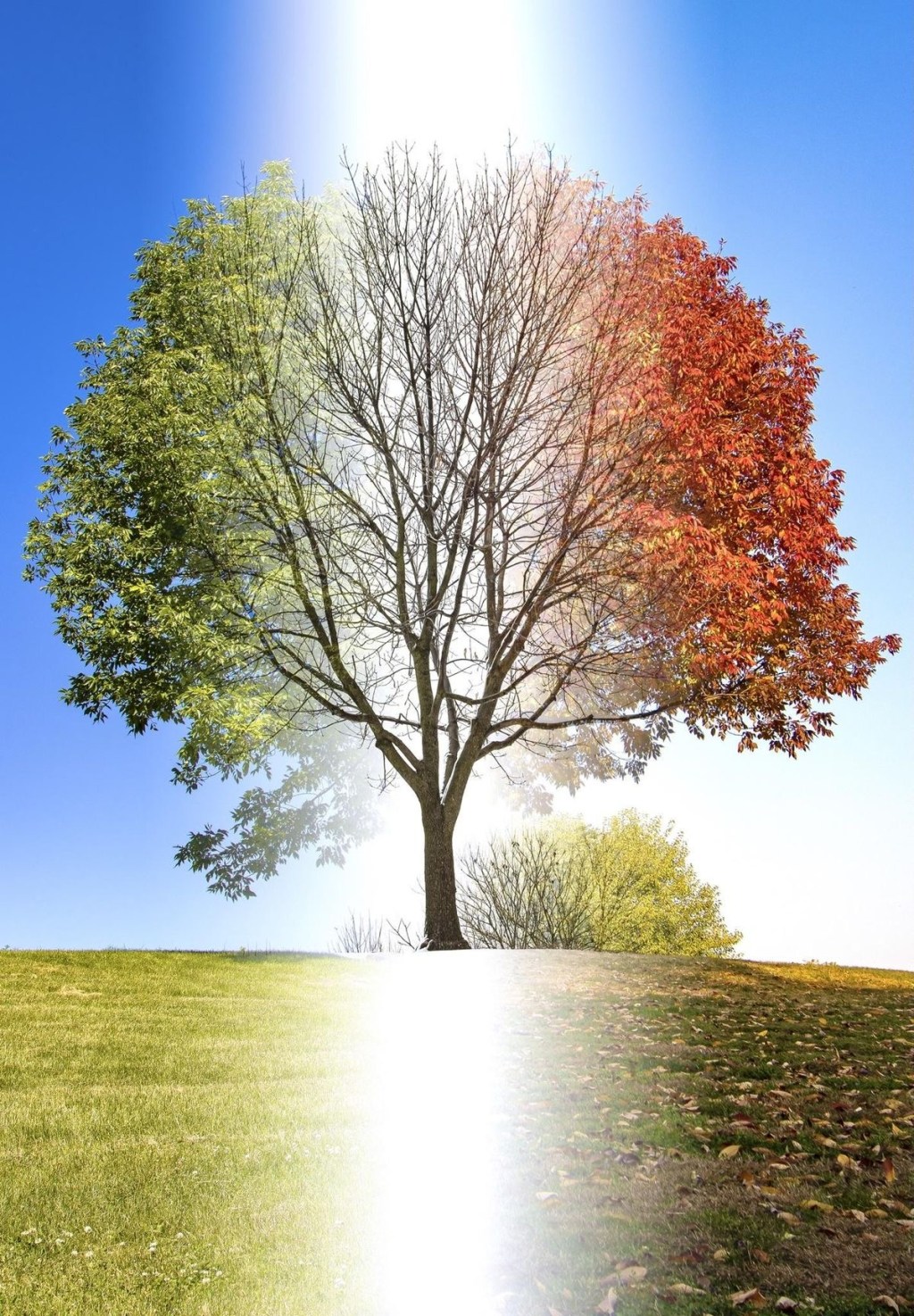
There is a quiet kind of courage that doesn’t look like taking a leap or making a bold announcement. It looks like noticing that something no longer fits and allowing yourself to acknowledge it. Like the trees that release their leaves each autumn, we are invited into seasons of letting go, not because something has gone wrong, but because something new is preparing to grow.
Have You Ever Felt Like You’re No Longer the Person You Used to Be?
There comes a moment in many of our lives when we look around and realize that something feels different.
Our routines haven’t changed much. Our homes may look the same. We still recognize the faces around us. Yet somewhere beneath the surface, something has shifted.
The conversations that once energized us now leave us feeling drained. The goals we spent years chasing suddenly don’t seem as important. The version of success we worked so hard to achieve no longer feels like our definition of success.
At first, we often assume something must be wrong.
Maybe we’re ungrateful.
Maybe we’re losing motivation.
Maybe we’re simply stuck.
But what if none of those things are true?
What if you’re not falling apart?
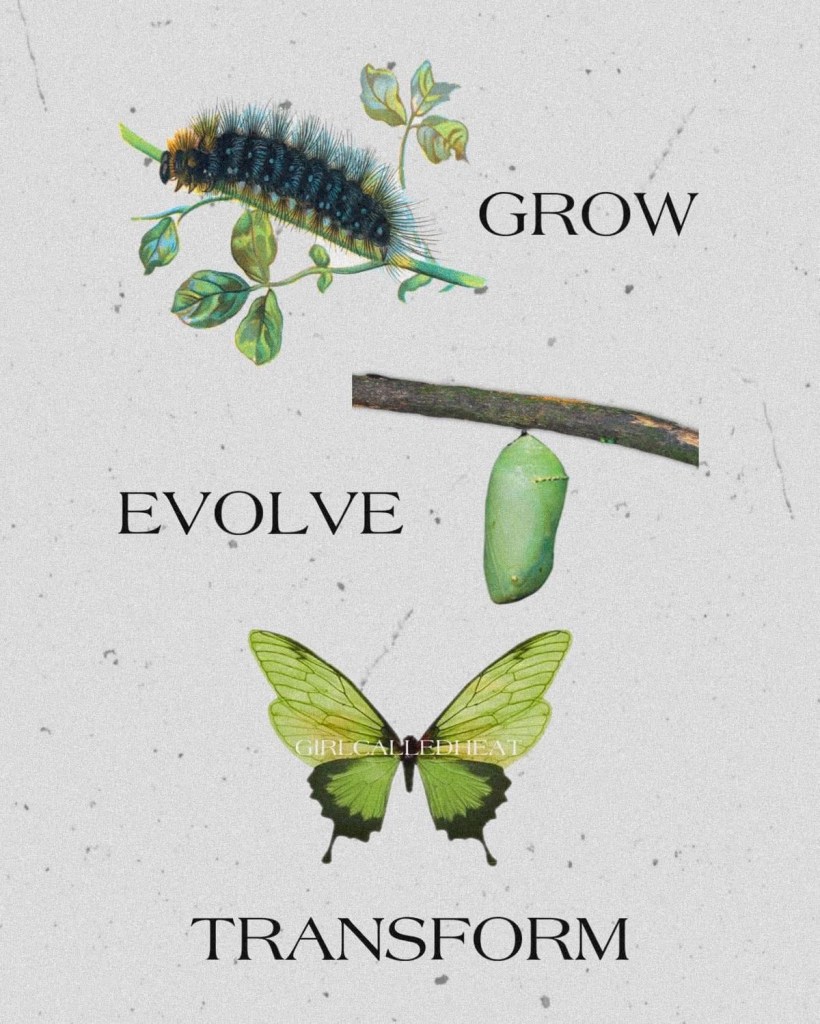
What if you’re simply outgrowing the person, you once needed to be?
Growth is rarely loud.
More often, it whispers.
It gently nudges us toward lives that feel more authentic while asking us to release identities that no longer align with who we are becoming.
The difficult part is that outgrowing a previous version of yourself can feel surprisingly similar to losing yourself. It can bring uncertainty, grief, guilt, and even fear.
No one talks much about this part of healing.
We celebrate transformation.
We celebrate breakthroughs.
We celebrate becoming.
But we rarely acknowledge what must be released before any of those things are possible.
Sometimes the hardest part of growth isn’t changing.
It’s giving yourself permission to stop pretending you’re still the person you used to be.
We Become Who We Need to Be
One of the greatest acts of compassion we can offer ourselves is recognizing that every version of us existed for a reason.
The people pleaser.
The perfectionist.
The overachiever.
The caretaker.
The one who never asked for help.
The one who always stayed busy.
The one who made herself smaller to keep the peace.
None of these identities appeared out of nowhere.
They were adaptations.
Many of them were born from environments where they served an important purpose.
Perhaps you learned that being helpful earned approval.
Perhaps being independent kept you safe from disappointment.
Perhaps achievement became the way you measured your worth.
Perhaps staying quiet protected you from conflict.
These patterns were never signs that something was wrong with you.
They were signs that your nervous system was incredibly wise.
It found ways to help you survive.
For a season, those strategies may have been exactly what you needed.
But survival strategies are not always meant to become lifelong identities.
Eventually, what once protected us can begin to limit us.
The perfectionism that once helped us gain recognition begins stealing our peace.
The people pleasing that once kept relationships stable begins erasing our own voice.
The constant productivity that once helped us feel valuable slowly disconnects us from joy.
What once felt like protection can quietly become a prison.
And that realization is not something to be ashamed of.
It’s something to honor.
Because it means you’ve grown enough to notice.
Growth Often Feels Like Grief
This is one of the most misunderstood parts of personal growth.
No matter how much healthier your new season may be, there is often grief involved.
You may grieve the woman who carried so much for so long.
You may grieve the dreams that no longer fit.
You may grieve friendships that naturally fade.
You may even grieve the certainty that came with knowing exactly who you were.
There is comfort in familiarity, even when familiarity isn’t healthy.
Our brains are designed to seek what feels predictable.
That’s why healing can feel uncomfortable.
Not because it’s wrong.
Because it’s unfamiliar.
It’s completely normal to experience moments where you wonder if you’re making a mistake.
When old patterns begin falling away, your nervous system may interpret the unfamiliar as unsafe.
That doesn’t necessarily mean you’re heading in the wrong direction.
Sometimes it simply means you’re entering fresh territory.
Just because something feels uncomfortable doesn’t automatically mean it’s unhealthy.
Sometimes discomfort is simply the feeling of growing into a life you’ve never lived before.
Imagine a tree in autumn.
It doesn’t cling desperately to every leaf because it fears what winter might bring.
It releases them one by one, trusting that what appears empty is actually preparing for renewal.
Nature understands something we often forget.
Release is not failure.
Release is part of the cycle.
Perhaps we were never meant to hold onto every version of ourselves forever.
Perhaps each version was simply preparing us for the next.
When Other People Expect You to Stay the Same
One of the most difficult parts of outgrowing old versions of yourself is realizing that not everyone will grow alongside you.
Sometimes the people around us have become comfortable with the version of us they have always known.
The one who always says yes.
The one who never asks for anything.
The one who keeps everyone happy.
The one who carries the emotional weight of the room.
When we begin changing those patterns, it can feel confusing to the people around us.
Not because we’re doing something wrong, but because we’re changing the role we’ve always played.
This can bring guilt.
You may wonder if you’re becoming selfish.
You may question whether you’re abandoning the people you love.
You may feel tempted to shrink yourself back into familiar patterns simply because they’re familiar to everyone else.
But healthy growth isn’t about becoming less loving.
It’s about becoming more honest.
The people who genuinely love you may need time to adjust.
That’s okay.
You’re adjusting too.
The Quiet Signs You’ve Outgrown an Old Version of Yourself
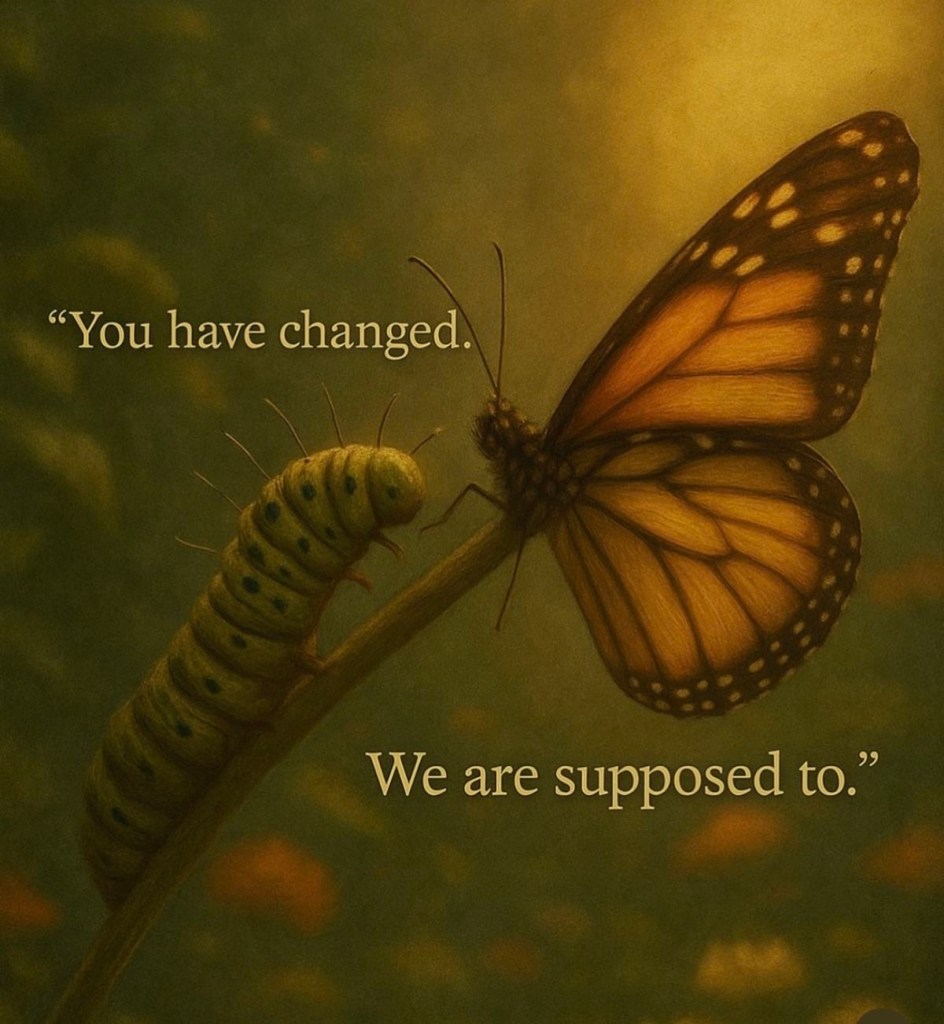
Outgrowing yourself rarely happens all at once.
It isn’t usually marked by a dramatic life event or a sudden realization. More often, it reveals itself through small moments that quietly ask for your attention.
You begin craving more stillness than stimulation.
The conversations that once felt fulfilling now leave you feeling disconnected.
You’re no longer interested in proving yourself.
The goals you’ve chased for years don’t excite you in the same way they once did.
You start questioning beliefs you’ve held your entire life.
You find yourself saying, “I don’t know if this feels like me anymore.”
Perhaps you notice yourself setting boundaries where you never would have before.
Or maybe you feel strangely uncomfortable in places that used to feel like home.
At first, these changes can be unsettling. We often interpret them as signs that something is wrong.
But what if these moments aren’t signs of confusion?
What if they’re invitations?
Invitations to become more honest with yourself.
Invitations to listen instead of performing.
Invitations to stop living according to old expectations and begin living from your own values.
Growth often begins long before we can explain it.
Sometimes your heart recognizes the change before your mind can make sense of it.
You Can Honor Who You Were Without Staying There
One of the greatest gifts we can give ourselves is compassion for every version we’ve ever been.
It’s easy to look back and criticize the younger version of ourselves.
“I should have known better.”
“I wasted so many years.”
“Why did I put up with that?”
But those thoughts overlook something important.
The woman you were yesterday did the best she could with the awareness, resources, and capacity she had at the time.
She made decisions based on what she believed would keep her safe.
She loved with the understanding she had.
She coped with the tools available to her.
She survived seasons that may have seemed impossible.
Rather than judging her, what if you thanked her?
Thank you for protecting me.
Thank you for getting me here.
Thank you for carrying me through what I didn’t yet know how to heal.
And now…
Thank you for allowing me to grow beyond you.
There is no betrayal in becoming someone new.
There is only gratitude for the path that brought you here.
Becoming Is Not About Reinvention
The world often tells us that growth means becoming a completely different person.
Reinvent yourself.
Transform yourself.
Become the best version of yourself.
While those phrases can be motivating, they can also leave us believing that who we are today isn’t enough.
I don’t believe healing asks us to become someone else.
I believe it asks us to remember.
To remember what was always true beneath the fear.
Beneath the expectations.
Beneath the perfectionism.
Beneath the survival strategies.
Think about a garden in early spring.
The flowers don’t become something entirely different.
They simply emerge from beneath the soil where they’ve been waiting all along.
Perhaps that’s what healing really is.
Not creating a new self.
But uncovering the self that has been patiently waiting beneath everything you’ve carried.
The woman you’re becoming isn’t a stranger.
She’s the most authentic version of you.
Trust the Season You’re In
Nature never rushes from one season to the next.
Autumn doesn’t apologize for releasing its leaves.
Winter doesn’t apologize for becoming quiet.
Spring doesn’t force flowers to bloom before they’re ready.
Every season serves a purpose.
Yet we often expect ourselves to grow without resting.
To heal without grieving.To release without feeling.
To change without uncertainty.
What if we extended ourselves the same grace we naturally extend to the changing seasons?
Maybe this season isn’t asking you to have everything figured out.
Maybe it’s simply asking you to trust that the shedding has purpose.
There is wisdom in slowing down long enough to notice what no longer fits.
There is courage in releasing identities you’ve outgrown.
There is beauty in becoming someone who feels more aligned with your values than your fears.
And there is incredible freedom in realizing that growth doesn’t require your permission to begin.
It’s already happening.
The only question is whether you’ll choose to resist it or walk alongside it.
Before You Go
Gentle Reflection
If this season feels unfamiliar, you’re not alone.
Outgrowing old versions of yourself can feel bittersweet. It often asks us to grieve what once served us while making room for what is now possible.
Remember this:
You are not leaving yourself behind.
You are simply releasing the parts of yourself that were built for seasons you’ve already survived.
There is nothing wrong with changing.
There is nothing selfish about evolving.
There is nothing to prove by staying the same.
Like the trees each autumn, you are allowed to trust that letting go is not the end of your story.
Sometimes it’s the beginning of your most authentic life.
Journal Prompt
Take a few quiet moments and ask yourself:
What part of me am I holding onto simply because it feels familiar, not because it still feels true?
Allow yourself to answer without judgment. Notice what comes up with curiosity rather than criticism.
Gentle Practice
Choose one small habit, commitment, or expectation that no longer feels aligned with the person you’re becoming.
For one week, give yourself permission to release it.
Maybe it’s saying no without overexplaining.
Maybe it’s skipping the pressure to be productive every moment.
Maybe it’s allowing yourself to rest without earning it first.
Pay attention to what emotions surface.
Often, what feels uncomfortable at first becomes incredibly freeing with practice.

 The Wildly Rooted Women
Leave a comment